
musicians
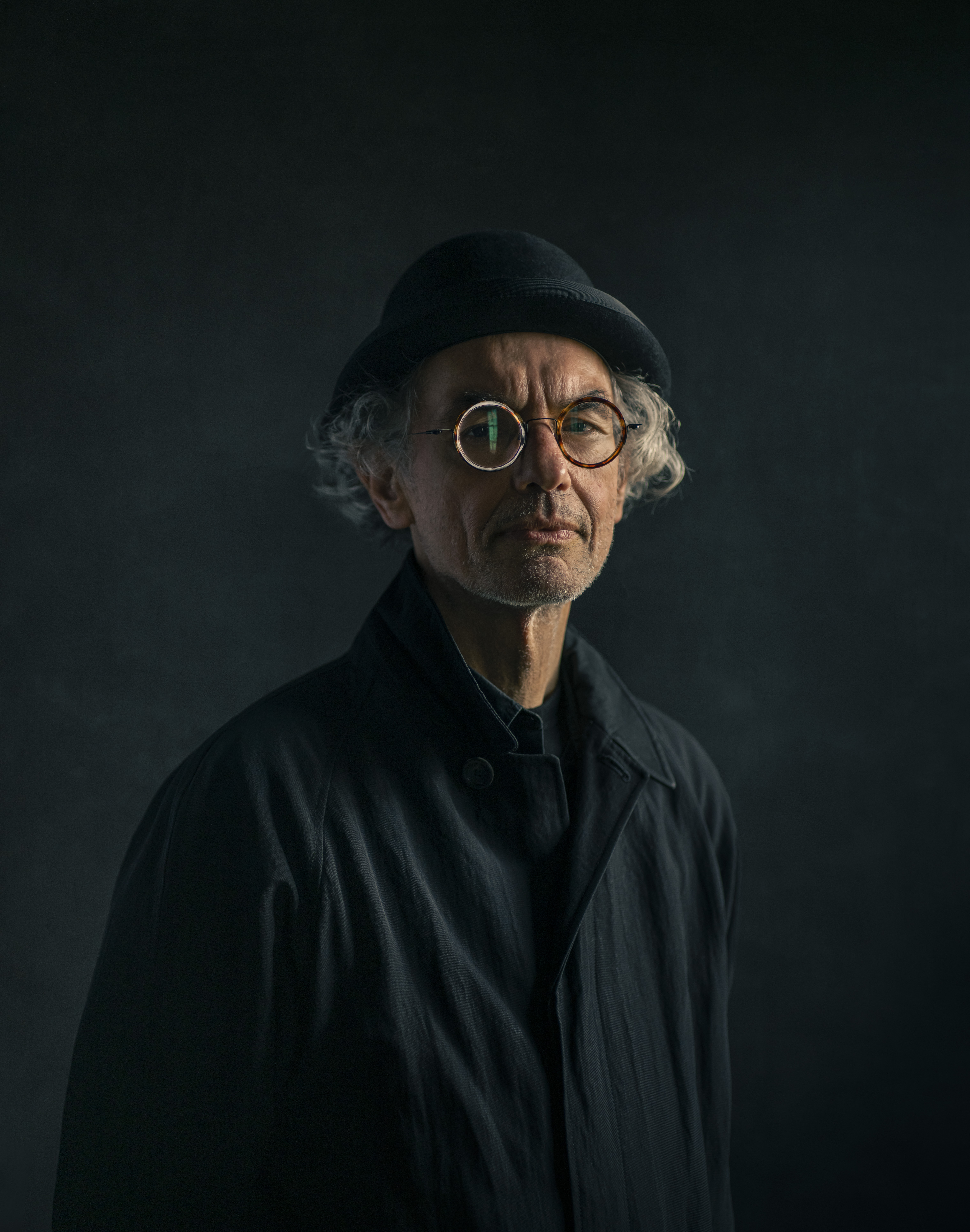
Guido de Neve displayed an exceptional musical talent from a very young age. At just eleven years old, he was accepted as a student at the Royal Conservatory of Brussels in the class of Kati Sebestyen and later in the class of Augustin Léon-Ara. At 17, he graduated with the highest distinction and special congratulations from the jury. That same summer, he met Hungarian violinist Sandor Végh in Assisi, a meeting that would profoundly influence his further development. This was followed by six years of intensive self-study, during which Guido de Neve developed a personal style of interpretation. His dedication was recognized both nationally and internationally. The British press was enthusiastic, as was the Braunschweiger Zeitung, which described him as “…undoubtedly a rising star in the violin sky….” Meanwhile, De Morgen recognized in the young virtuoso “…the new torchbearer of the Belgian violin school… Names like De Bériot, Vieuxtemps, Ysaÿe, and Grumiaux flashed through my mind,” wrote Fred Brouwers. After many years of intensive performances across Europe, South America, Asia, and Africa, he took a two-year artistic sabbatical. This period of reflection, re-evaluation, and rediscovery led him first to the baroque violin and then to the romantic violin. A new world of sounds and musical languages opened up for him. Since then, Guido de Neve has performed on baroque, romantic, and modern violins. His performances range from duos with piano, fortepiano, and harpsichord to solo violin recitals in which he explores the entire history of violin literature on the appropriate instruments. In this spirit, he founded the Quatuor Romantique in 2019, a string quartet that performs great string quartet repertoire from the late Mozart quartets to the first half of the 20th century, using romantic instruments. But Guido de Neve is not only a passionate musician. For more than 30 years, he has been teaching at the Conservatory of Antwerp, nurturing a whole new generation of performing violinists.

Christophe Pochet received his first violin lessons at the age of three from Dejan Mijajev. From the age of fifteen, he studied under Philippe Hirshhorn and Ursula Gorniák at the Brussels Conservatory, and later with Guido De Neve at the Antwerp Conservatory, where he earned his Master’s diploma. In 2006, he completed a Postgraduate Solist program at the Musikhochschule in Karlsruhe under Albrecht Breuninger. In 1995, he became the third laureate of the International Herman Krebbers Competition in Maastricht, and in 2003, his former string quartet, Orion, won first prize in the “Promotion of Flemish Music & Musician” competition for string quartets at the Orpheus Institute in Ghent. Between 2002 and 2019, he was a regular tutti first violinist with the Antwerp Symphony Orchestra. As a concert soloist, he has performed in Belgium, Germany, and the Netherlands, presenting works such as Mozart’s Sinfonia Concertante and the violin concertos of Bach, Mendelssohn, Tchaikovsky, and Vivaldi, under conductors such as Frans Cuypers, Koen Kessels, and Edmond Saveniers. Currently, he is a member of the Quatuor Romantique and performs with the ARVI piano trio alongside Yanna Penson and Lieselot Watté. He plays on a Charles François Gand ‘Père’ violin from 1844.

Hans Cammaert studied violin at the Antwerp Conservatory under D. Mijajev and F. Reusens. He honed his skills through numerous masterclasses, including one with M. Destrubé, who had a significant influence on his development. Hans has performed in many chamber orchestras, such as I Fiamminghi, the Beethoven Academy (13 years), the Chamber Orchestra Bruges (13 years), Prima la Musica, and Bryggen Strings. Historical performance practice also plays a major role in his career, with participation in ensembles like Millenium, Le Concert d’Anvers, and Apotheosis. He is the founder and artistic director of Ensemble a and the art deco ensemble Elixir d’Anvers. Hans shares his expertise as a teacher at the academies of Lier, Hemiksem, and Borgerhout.
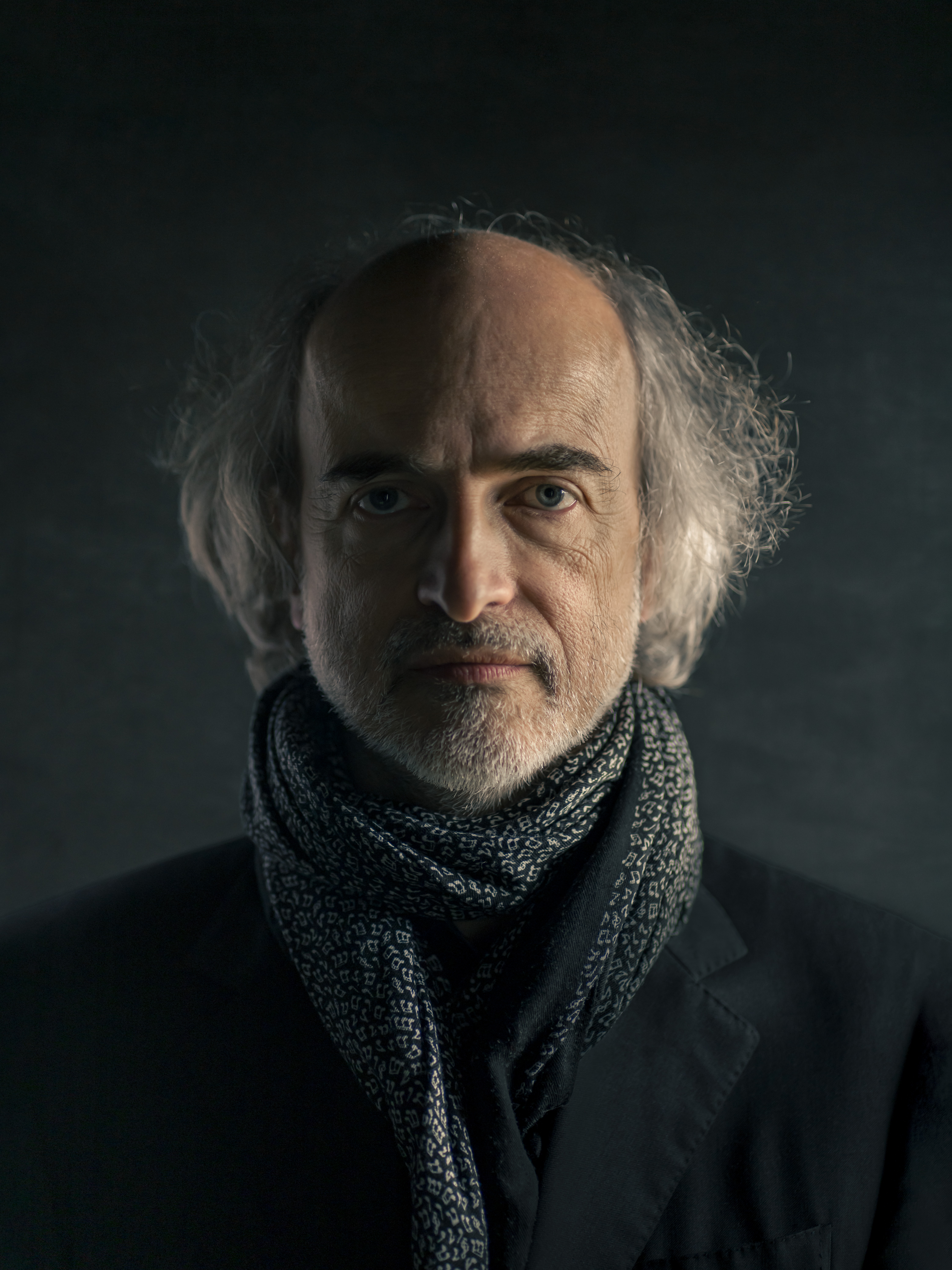
It comes as no surprise that Didier Poskin, born into a family of musicians, was musically active from a very young age. Thanks to his innate talent and sustained dedication, he quickly realized his potential, performing as a soloist at just thirteen. After completing his studies at the Conservatoire Royal de Bruxelles, he was admitted to the Queen Elisabeth Music Chapel, an institution reserved for the finest graduates from Belgian and international conservatories. For three years, he studied under the guidance of Edmond Baert, who not only mentored him but also considered him one of his best students. Didier then broadened his horizons and refined his skills under renowned masters such as Walter Grimmer in Zurich, Maurice Gendron in Paris, and the Amadeus Quartet at the Musikhochschule in Cologne. Along the way, he participated in various masterclasses, studying with Pierre Fournier, Reine Flachot, Daniil Shafran, Frans Helmerson, and Wolfgang Boettcher. Early in his professional career, Didier was invited to serve as principal cellist with the Royal Flemish Philharmonic Orchestra. Later, he shifted his focus to chamber music, becoming a member of the Verdi Quartet in Cologne. With this ensemble, he toured the world for six years, recording numerous renowned compositions, including the complete quartets of Schubert. Today, Didier divides his time between teaching and performing, both as a soloist and in chamber music ensembles. With his generous spirit, he eagerly shares his experience and enthusiasm with young students at the Conservatoire Royal de Bruxelles, where he leads a cello class.
 string quartet quatuorromantique